
Energy Efficiency
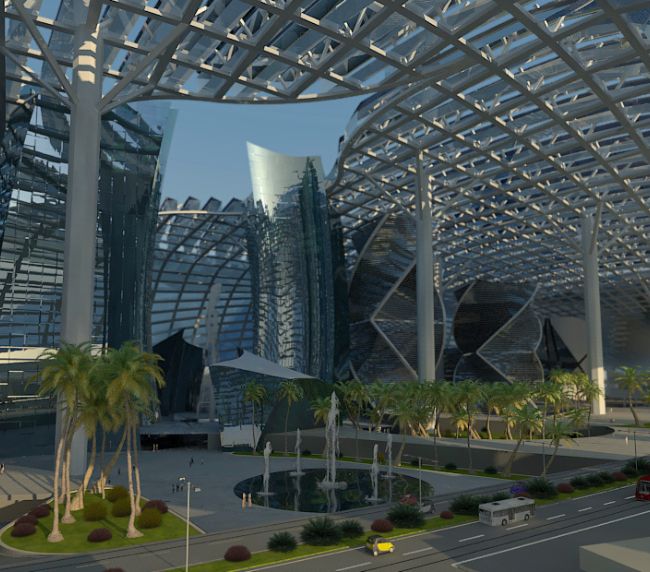
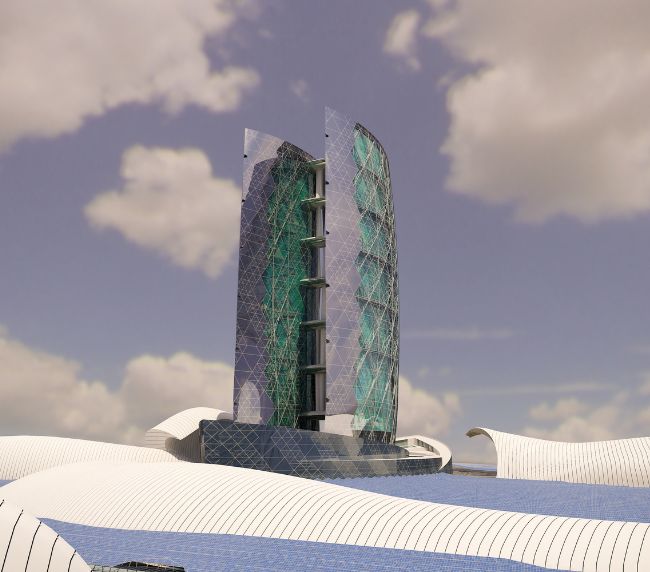
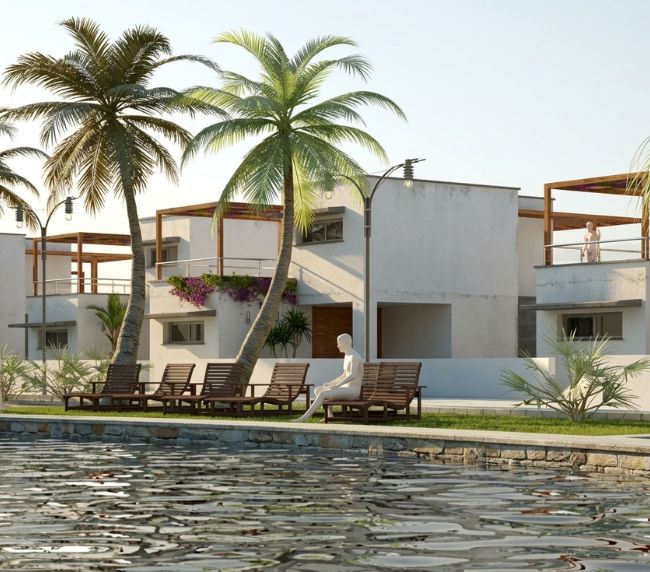
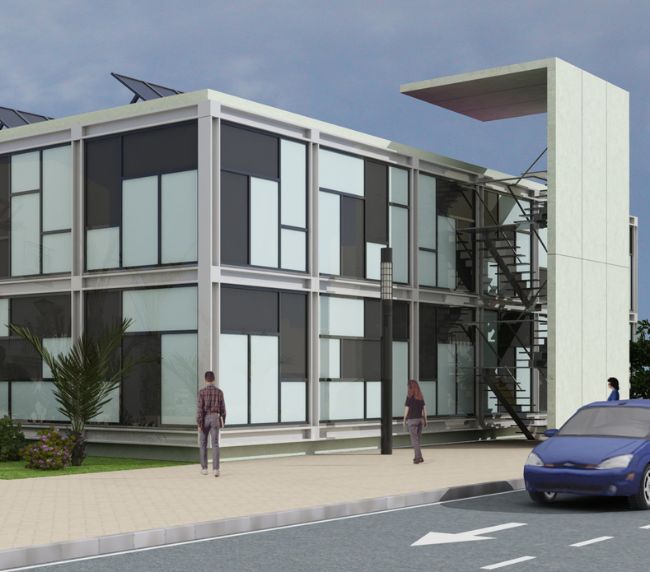
Development of architectural projects where energy efficiency is integrated from the design stage, applying bioclimatic criteria and technical solutions aimed at optimizing the building’s performance.
Energy efficiency in architecture is not limited to reducing consumption; it involves designing buildings capable of optimizing their performance from the outset.
Through bioclimatic architecture, the project adapts to its surroundings, taking advantage of climatic conditions to improve interior comfort and reduce energy demand. Orientation, ventilation, solar radiation, and the choice of materials become key tools within the design process.
This approach allows for the development of more efficient, sustainable buildings that are coherent with their context, where technology complements, but does not replace, a sound design strategy.
Main advantages of efficient architecture
Integrating energy efficiency criteria into architectural design allows for a more precise approach to the project, where the building’s performance is defined from the very first decisions.
Through bioclimatic strategies and appropriate technical solutions, it is possible to optimize the relationship between the building and its surroundings, reducing energy demand and naturally improving interior comfort. This approach not only enhances the building’s performance but also enables the development of a more coherent, sustainable architecture adapted to actual usage conditions.

Reduction of energy consumption
The optimized design allows for a decrease in the building’s energy demand, reducing the need for active air conditioning systems.
Improved interior comfort
Bioclimatic strategies allow for more stable and pleasant thermal conditions throughout the year.

Resource optimization
The efficient use of materials, energy, and construction systems contributes to a lower environmental impact.

Integration of renewable energies
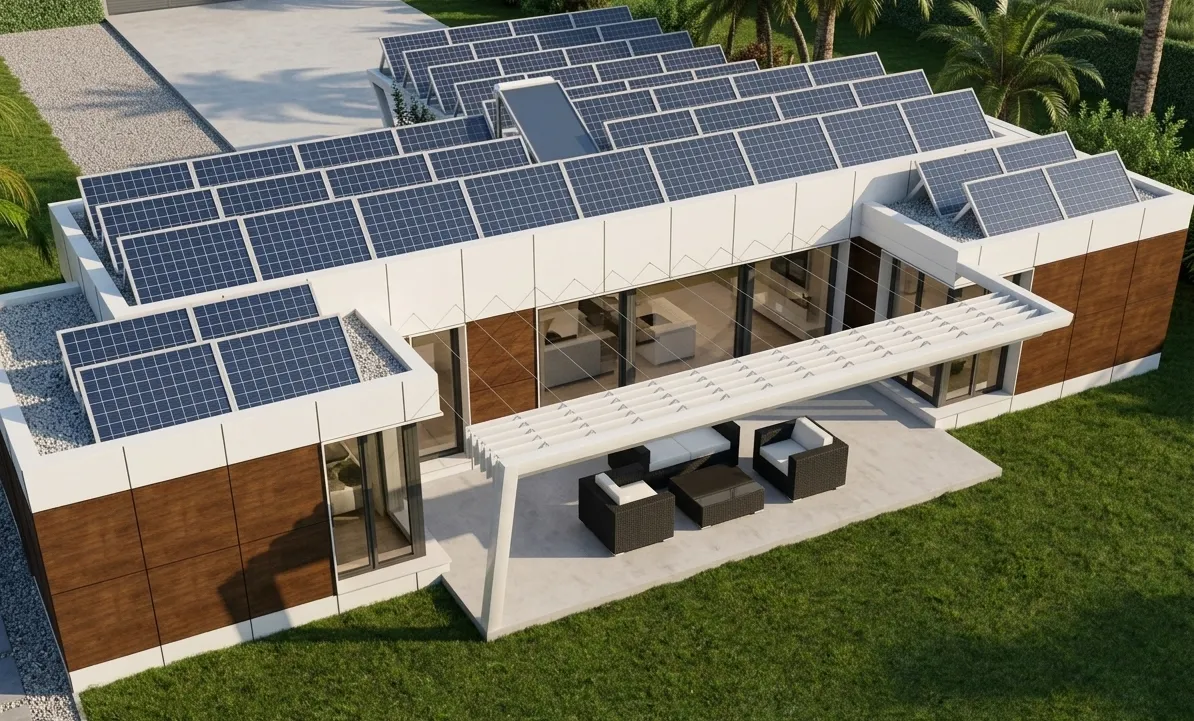
Efficient architecture facilitates the incorporation of systems such as solar energy or hybrid solutions adapted to the project.

Greater durability and building value
Buildings designed based on efficiency criteria exhibit better long-term performance and higher overall quality.

Reduction of dependence on active systems
An efficient design reduces the need for mechanical air conditioning systems, by solving a large part of the energy needs through passive strategies integrated into the building itself.
Bioclimatic design strategies and energy efficiency
The development of energy-efficient projects relies on the integration of passive and active strategies that optimize building performance from the outset.
Through bioclimatic design, it is possible to anticipate the relationship between the building and its surroundings, incorporating variables such as climate, orientation, solar radiation, and natural ventilation into a comprehensive strategy. These decisions, combined with appropriate technical solutions, reduce energy demand, improve interior comfort, and optimize building performance over time.
Climate-oriented design
Adapting the project to the climatic conditions of the environment, optimizing orientation and solar capture.
Efficient thermal envelope
Design of facades, roofs and enclosures that improve insulation and reduce energy losses.
Natural ventilation
Taking advantage of air currents to improve comfort and reduce the need for air conditioning.
Solar control
Protection against excessive radiation through passive elements such as louvers, overhangs or solar filters.
Integration of energy systems
Incorporation of technical solutions that complement passive design and improve overall efficiency.
Thermal inertia and material behavior
A suitable design allows for stabilizing the interior temperature, reducing energy demand, and improving comfort without the need for additional systems by selecting materials that influence the building’s ability to store and release thermal energy.
A new way of building
Energy efficiency is not an add-on, but a fundamental way of understanding architecture. Designing in relation to the environment allows for the development of more coherent, sustainable projects that are better suited to current demands.
If you are interested in developing a project based on energy efficiency and bioclimatic architecture principles, I can help you analyze the possibilities and define a solution tailored to your needs.